
Get Free Shed Roofing Quotes
Shed-Roof.co.uk helps homeowners, landlords and property owners find local contractors for shed roof repairs, replacements and maintenance. You can submit one online enquiry and receive contact from up to four local roofers who may be able to help with the work.
Whether your shed roof has started leaking, the felt has blown off in strong winds or the timber underneath has become rotten, our free quotation-matching service can save you time. Instead of contacting several roofing companies separately, you can describe the problem once and allow us to try to match you with suitable contractors in your area.
The service can be used for small garden sheds, larger workshops, storage buildings, summerhouses, garages, kennels, stables and other domestic outbuildings. It is free to submit an enquiry, and there is no obligation to accept any quotation you receive.
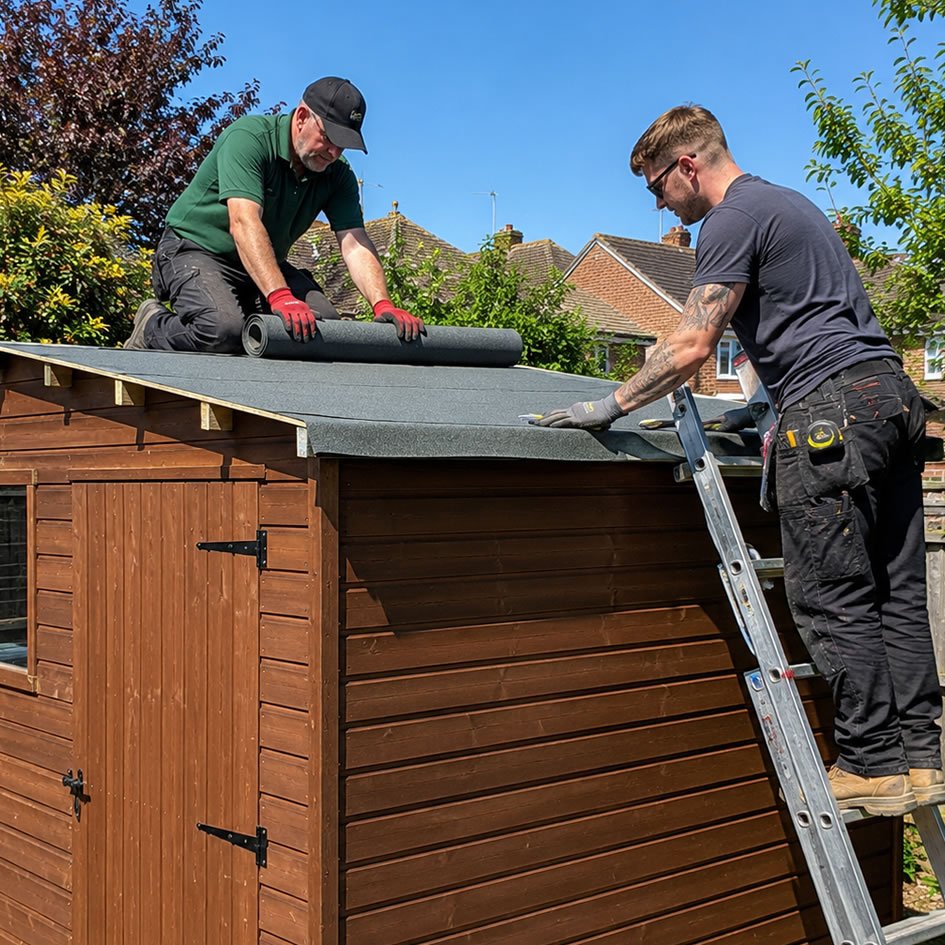
How to Request Shed Roofing Quotes
-
Complete the online enquiry form
Tell us what type of shed or outbuilding you have and describe the roofing work you need. Include the approximate size of the roof, the existing material and any damage you have noticed.
-
Provide your postcode and contact details
Your postcode helps us identify contractors who cover your area. Your name, telephone number and email address allow interested roofers to contact you about the job.
-
We try to match your enquiry
We review the information provided and attempt to match the enquiry with independent contractors in our network who offer the relevant shed roofing service.
-
Local contractors contact you
Up to four contractors may get in touch. They may ask for photographs, request measurements or arrange a site visit before preparing a full quotation.
-
Compare your options
You can compare the suggested repair methods, roofing materials, guarantees, timescales and prices before deciding whether to proceed.
What Shed Roof Problems Can a Roofer Fix?
Shed roofs are exposed to rain, frost, wind, sunlight and falling debris throughout the year. Even a small fault can allow water into the building and eventually damage the roof boards, timber frame and anything stored inside.
You can request roofing quotes for almost any shed roof problem, including the following.
Leaking Shed Roofs
- Water dripping through the roof during rain.
- Damp patches appearing on the ceiling or walls.
- Leaks around roof edges, joints or fixings.
- Water entering where two roof sections meet.
- Leaks around vents, skylights or roof penetrations.
- Water pooling on a flat or low-pitched shed roof.
- Intermittent leaks that only appear during heavy rain or strong winds.
A roofer can inspect the roof to identify where the water is entering. The visible damp patch inside the shed may not be directly below the original fault, as water can travel along roof boards or timber supports before dripping.
Damaged or Worn Roofing Felt
- Torn or split roofing felt.
- Felt lifting at the edges.
- Felt blown off by strong winds.
- Cracked, brittle or weathered felt.
- Bubbles, wrinkles or raised sections in the covering.
- Loose felt around the eaves or roof ridge.
- Failed felt joints and overlaps.
- Felt damaged by branches, birds or animals.
- Mineral felt that has lost its protective surface.
Small areas of damaged felt may sometimes be patched. However, if the material is old or failing across several areas, the contractor may recommend replacing the full covering.
Rotten or Damaged Roof Timber
- Soft or rotten roof boards.
- Sagging plywood, chipboard or oriented strand board.
- Damaged roof joists or rafters.
- Rotten fascia boards and roof edges.
- Timber damaged by long-term water leaks.
- Boards that have swollen, split or started to crumble.
- Weak roof sections that no longer support the covering properly.
- Timber affected by mould, fungus or insect damage.
A roof covering should not normally be installed over rotten or badly damaged boards. The affected timber may need to be removed and replaced before the new waterproof layer can be fitted.
Sagging or Uneven Shed Roofs
- A visible dip in the middle of the roof.
- Roof boards bowing between the supports.
- Water collecting in low spots.
- Roof timbers moving or becoming twisted.
- A roof ridge that is no longer straight.
- Sections of the roof starting to collapse.
- Insufficient support for heavy roofing materials.
Sagging can be caused by rotten timber, weak construction, excessive weight or long-term water damage. A contractor can assess whether the roof needs strengthening, partial rebuilding or complete replacement.
Storm and Wind Damage
- Roof felt torn away during high winds.
- Loose or missing corrugated sheets.
- Roof panels lifted from their fixings.
- Damage caused by falling trees or branches.
- Cracked roof sheets after hail or impact.
- Ridge covers and edge trims blown off.
- Water entering after storm damage.
- Temporary weatherproofing after severe damage.
Emergency repairs may involve securing loose materials, fitting a temporary cover and making the building watertight until a permanent repair can be completed.
Condensation, Damp and Mould
- Condensation forming underneath the roof covering.
- Mould growing on the roof boards or walls.
- Musty smells inside the shed.
- Rust forming on tools or metal items stored inside.
- Moisture caused by poor ventilation.
- Damp caused by a combination of leaks and condensation.
- Insulation holding moisture against the roof structure.
Not every damp problem is caused by a leaking roof. A roofer may need to check the covering, ventilation and internal airflow to identify the likely cause.
Damaged Corrugated Roof Sheets
- Cracked bitumen roof sheets.
- Split plastic or polycarbonate panels.
- Rusting metal roof sheets.
- Loose screws and failed washers.
- Leaks at sheet overlaps.
- Missing ridge pieces or side trims.
- Panels damaged by sunlight or frost.
- Roof sheets that have become loose or noisy in windy weather.
Asbestos Cement Shed Roof Problems
- Cracked asbestos cement roof sheets.
- Weathered or damaged corrugated asbestos panels.
- Leaks through old asbestos roof fixings.
- Broken sheet edges and damaged overlaps.
- Removal of an old asbestos shed or garage roof.
- Replacement with a modern non-asbestos roofing system.
- Safe packaging, transport and disposal of asbestos waste.
Older sheds, garages and workshops may have asbestos cement roofing. The material should not be drilled, cut, sanded or broken. If you suspect asbestos is present, mention it clearly in the enquiry so that the job can be matched with contractors who have suitable experience.
Shed Roofing Services Available
Local contractors may offer anything from a small patch repair to a complete roof rebuild. You can request quotes for the following services.
Shed Roof Leak Repairs
- Tracing the source of a roof leak.
- Patching small holes and tears.
- Sealing failed joints and overlaps.
- Repairing leaks around roof fixings.
- Replacing damaged roof sections.
- Repairing roof edges and trims.
- Temporary weatherproofing.
- Emergency shed roof repairs.
Shed Roof Felt Repairs and Replacement
- Small felt patch repairs.
- Replacing torn or loose sections of felt.
- Removing the old felt covering.
- Installing new mineral roofing felt.
- Installing heavy-duty shed roofing felt.
- Installing torch-on felt where suitable.
- Installing self-adhesive roofing felt.
- Renewing felt at the roof ridge.
- Securing the felt with suitable adhesive and fixings.
- Replacing timber battens around the roof edges.
EPDM Rubber Shed Roofing
- Installing a new EPDM rubber membrane.
- Replacing old felt with EPDM roofing.
- Repairing punctures in an existing rubber roof.
- Sealing membrane joints and corners.
- Installing edge trims and gutter trims.
- Replacing damaged roof boards before installation.
- Installing a single-piece membrane where possible.
EPDM is often chosen for flat and low-pitched shed roofs because it can be installed as a large single sheet, reducing the number of joints where water could enter.
Corrugated Bitumen Roofing
- Installing corrugated bitumen roof sheets.
- Replacing cracked or worn sheets.
- Installing matching ridge pieces.
- Repairing failed sheet overlaps.
- Replacing damaged fixings and washers.
- Fitting verge and eaves details.
- Converting an old felt roof to a sheeted roof.
Metal Shed Roofing
- Installing corrugated steel roof sheets.
- Replacing rusted or damaged panels.
- Repairing loose or leaking fixings.
- Fitting anti-condensation roofing sheets.
- Installing ridge caps, flashings and trims.
- Treating small areas of surface corrosion.
- Replacing old metal roofs on sheds and workshops.
Plastic and Polycarbonate Roofing
- Replacing cracked plastic roof panels.
- Installing clear or tinted polycarbonate sheets.
- Repairing leaking panel joints.
- Replacing damaged glazing bars and end caps.
- Renewing fixings and sealing washers.
- Installing lightweight roofing for lean-to sheds and shelters.
Timber Roof Deck and Structural Repairs
- Replacing rotten plywood or OSB roof boards.
- Replacing damaged tongue-and-groove boards.
- Repairing or replacing roof joists.
- Strengthening weak roof supports.
- Correcting sagging sections.
- Replacing rotten fascia boards.
- Rebuilding damaged roof edges.
- Improving the roof fall to help rainwater drain away.
Complete Shed Roof Replacement
- Removing the complete existing roof covering.
- Removing rotten roof boards and timbers.
- Rebuilding the roof structure.
- Changing a flat roof to a pitched roof where suitable.
- Changing the roof covering to a different material.
- Installing new insulation and ventilation.
- Installing new fascia boards, trims and guttering.
- Disposing of the old roofing materials.
Asbestos Roof Removal and Replacement
- Surveying or identifying suspected asbestos cement sheets.
- Carefully removing asbestos cement roofing.
- Packaging asbestos waste correctly.
- Transporting the waste to an authorised disposal facility.
- Providing waste documentation where required.
- Installing replacement metal, bitumen, plastic or other roofing sheets.
- Replacing damaged timber supports beneath the old roof.
Shed Roof Insulation and Ventilation
- Adding insulation beneath the roof.
- Upgrading insulation in a workshop or garden office.
- Installing a vapour control layer.
- Improving airflow to reduce condensation.
- Installing roof vents or eaves ventilation.
- Correcting insulation that is blocking ventilation.
- Improving the roof build-up on heated outbuildings.
Shed Roof Guttering and Rainwater Work
- Installing new shed guttering.
- Replacing cracked or leaking gutters.
- Repairing loose gutter brackets.
- Installing downpipes and water butts.
- Improving drainage around the shed.
- Fitting gutter trims to EPDM roofs.
- Adjusting the roof edge so rainwater enters the gutter correctly.
Roof Windows, Vents and Openings
- Repairing leaks around shed roof windows.
- Replacing cracked rooflight panels.
- Installing new rooflights.
- Sealing ventilation pipes and flues.
- Removing unused roof penetrations.
- Installing flashings around openings.
Roof Cleaning and Maintenance
- Removing leaves, branches and general debris.
- Clearing moss from suitable roof coverings.
- Cleaning gutters and downpipes.
- Checking and tightening roof fixings.
- Resealing small joints before they start leaking.
- Inspecting the roof after a storm.
- Carrying out minor preventative repairs.
Types of Buildings Covered
The quotation form is not limited to standard timber garden sheds. You may also be able to request quotes for roofing work on:
- Wooden garden sheds.
- Metal storage sheds.
- Plastic sheds.
- Garden workshops.
- Summerhouses.
- Garden offices.
- Potting sheds.
- Bike stores.
- Bin stores.
- Animal shelters and kennels.
- Small stables and field shelters.
- Detached garages.
- Carports and lean-to structures.
- Utility buildings and storage units.
What Information Should I Include?
Providing clear information can help contractors understand the work and decide whether the enquiry is suitable for them. Useful details include:
- The length and width of the shed.
- Whether the roof is flat, pent, apex or another shape.
- The current roofing material.
- The age of the shed or roof, if known.
- Where the roof is leaking or damaged.
- Whether the roof boards appear rotten or sagging.
- Whether asbestos may be present.
- Whether you want a repair or full replacement.
- Any preferred replacement material.
- Whether access to the shed is restricted.
- Whether electricity, lighting or valuable items are inside.
- How soon you would like the work completed.
Photographs can also be useful. A contractor may ask for pictures of the full roof, the damaged area, the inside of the shed and the access route before deciding whether a visit is needed.
Should I Repair or Replace My Shed Roof?
A repair may be suitable when the damage is limited to one area and the rest of the roof remains in reasonable condition. For example, a roofer may be able to patch a small felt tear, renew a failed joint or replace one damaged sheet.
Full replacement may offer better value when the roof covering is old, brittle or damaged in several places. Replacement is also more likely when the boards underneath are rotten, the roof is sagging or previous repairs have repeatedly failed.
Different contractors may recommend different solutions. Comparing quotations can help you understand the likely cost and expected lifespan of each option.
Is the Shed Roofing Quote Service Free?
Yes. It is free for homeowners and property owners to submit an enquiry through Shed-Roof.co.uk. There is no charge for being matched with contractors and no fee for receiving quotations.
Contractors may pay to receive suitable enquiries through our network. This allows the matching service to remain free for consumers.
You are not required to accept any quotation, and you will not enter into a contract simply by completing the enquiry form.
How Many Shed Roofing Quotes Will I Receive?
We aim to introduce each suitable enquiry to up to four relevant contractors. However, the actual number of responses may be lower.
Contractor availability can depend on your location, the type of building, the roofing material and the size of the job. Specialist work, such as asbestos roof removal, may have fewer suitable contractors available in some areas.
What Should I Compare in Each Quotation?
Do not compare the price alone. Check what each contractor has included and whether the suggested repair is suitable for the condition of the shed.
A written quotation should ideally explain:
- Which materials will be removed.
- Which repairs will be carried out.
- The type and brand of new roofing material.
- Whether damaged timber will be replaced.
- Whether trims, fixings and adhesives are included.
- Whether waste removal is included.
- The expected start and completion dates.
- The total price and payment schedule.
- Whether VAT is included.
- Details of any workmanship or material guarantee.
What Should I Check Before Hiring a Roofer?
Every contractor introduced through the service is an independent business. You should carry out your own checks before agreeing to any work or making a payment.
- Ask for proof of current public liability insurance.
- Request references from recent customers.
- View examples of similar shed roofing work.
- Check independent reviews where available.
- Ask for a written quotation.
- Confirm who will remove and dispose of the old materials.
- Check whether subcontractors will be used.
- Confirm any guarantee in writing.
- Avoid paying the full amount before the work starts.
- Make sure any requested deposit is reasonable.
Checks for Asbestos Roofing Work
Asbestos work requires extra care. The legal requirements depend on the material, condition and type of work being carried out. Some asbestos cement removal work may not require a licensed contractor, while other higher-risk or notifiable work does.
You should check that the contractor has appropriate training, insurance, equipment and waste arrangements for the work. Ask where the asbestos will be taken and whether you will receive the relevant waste documentation.
Request Your Free Shed Roofing Quotes
Complete the homeowner enquiry form with a brief description of your shed roof problem. We will then try to match your request with local contractors who carry out the relevant type of work.
The more detail you provide, the easier it will be for roofers to understand what is required. You can then compare the responses and choose whether any of the available options are right for your property and budget.